Mar 22, 2018 at 11:08 AM
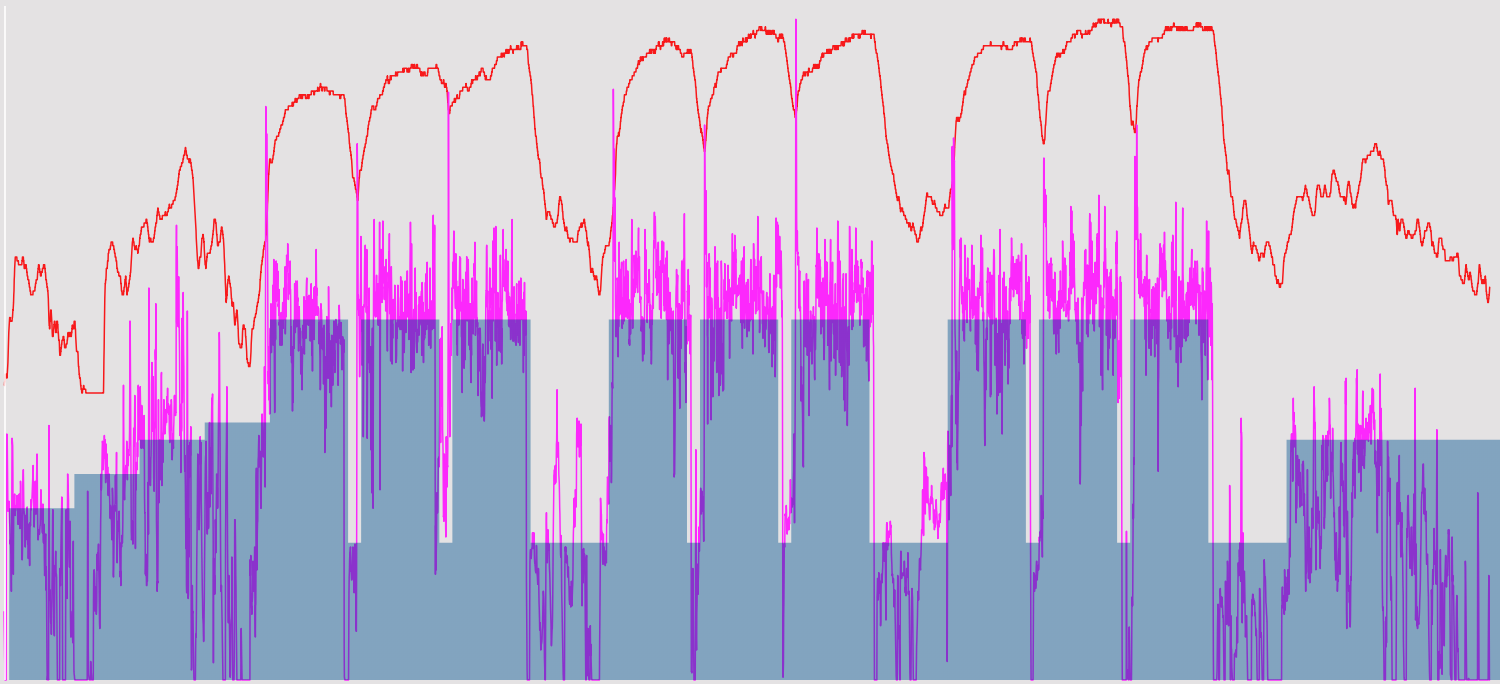
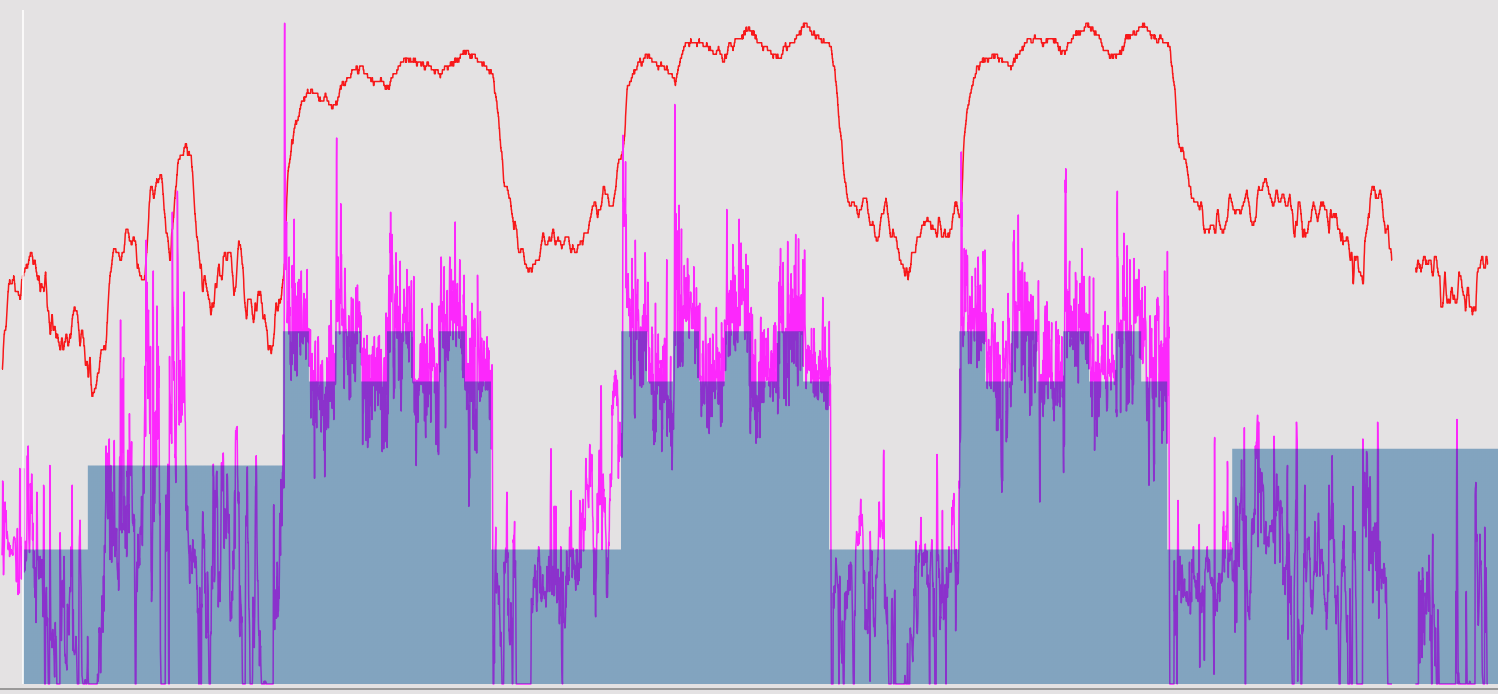
Eloy answer is right. See the whole idea of having a data metric (Watts or Heart Rate) is to have it accurate and precise. Take two separate days, one where you have eaten well, slept, no stress....then other, office day from hell, you skipped lunch and totally against a work deadline and feel a cold coming on. Go out and ride 60 minutes of tempo at 250 watts. Both days the watts are the same, one day avg HR is 160 the other 170. The STRESS of the workout was the same, the strain was different. Now, run scenario two. Repeat that workout exact same workout for 10 days in a row and look at power. each day, power will be 250 watts (if you can do hold it as you fatigue) but I bet you your HR will start to surprise and by day 10 you might see an HR of 150bpm. The variable of acute life events and chronic training fatigue change the body reaction to such stress in the measurement format selected (HR).
The big question is which will be more predictive of "adaptation" ....the answer is both can be used but the one subject to the least variables (precision) is the best.
Your sprint point is 100% correct actually. Say two athletes have the same FTP, 275 watts but one has a 10 sec max of 1,000 watts and the other 600 watts. They both go out and do 5 x 10 secs at 500 watts as you stated. Which results in a score of 65 TSS for each. Is this correct? Yes, they both applied exactly the same stress. Now, change the example to both go out and do 5 x max sprints and what will happen? The 1,000 watts sprinter will go 5 x 900 watts+ and the 600 watt sprinter will go x 500 watts+....now what happens to TSS? Once gets 95 TSS points, the other 65 TSS. This is where the article gets it right, the prescription workouts by classic training zones is the flaw. Andy has consistently stated that the original training zones were DESCRIPTIVE not prescriptive. Meaning you went out and did the work, then in review said ...oh i spent a lot of time in zone 4 but coaches found it so easy to prescribe as a target, because the norm.
So a final "secret" when working with my athletes one on one, I never prescribe in training zones (well, in base style training maybe) and once we get into really pushing in what you might call "build" the prescription is typically MAX. In the general training plans, I cannot prescribe that as to be honest, MAX will be to much for everyday riders like us unless you aggressively monitor fatigue and adjust workouts accordingly. Some of the new block training plans do introduce this though and might be good option for some still following this thread.
Good discussion, knowledge is power and athlete that have knowledge always train better!
Back to snow shoveling!
The big question is which will be more predictive of "adaptation" ....the answer is both can be used but the one subject to the least variables (precision) is the best.
Your sprint point is 100% correct actually. Say two athletes have the same FTP, 275 watts but one has a 10 sec max of 1,000 watts and the other 600 watts. They both go out and do 5 x 10 secs at 500 watts as you stated. Which results in a score of 65 TSS for each. Is this correct? Yes, they both applied exactly the same stress. Now, change the example to both go out and do 5 x max sprints and what will happen? The 1,000 watts sprinter will go 5 x 900 watts+ and the 600 watt sprinter will go x 500 watts+....now what happens to TSS? Once gets 95 TSS points, the other 65 TSS. This is where the article gets it right, the prescription workouts by classic training zones is the flaw. Andy has consistently stated that the original training zones were DESCRIPTIVE not prescriptive. Meaning you went out and did the work, then in review said ...oh i spent a lot of time in zone 4 but coaches found it so easy to prescribe as a target, because the norm.
So a final "secret" when working with my athletes one on one, I never prescribe in training zones (well, in base style training maybe) and once we get into really pushing in what you might call "build" the prescription is typically MAX. In the general training plans, I cannot prescribe that as to be honest, MAX will be to much for everyday riders like us unless you aggressively monitor fatigue and adjust workouts accordingly. Some of the new block training plans do introduce this though and might be good option for some still following this thread.
Good discussion, knowledge is power and athlete that have knowledge always train better!
Back to snow shoveling!