Jun 08, 2016 at 06:00 PM
It is possible that the saddle dropped on the track bike or that you raised the saddle on the road bike. And it's possible that there's a differing crank length. Even small things like saddle tilt and/or setback change your effective position so that the old bike is lower. There's also the matter of shoes and pedals. If you switch at all, this could be another source of the "low" sensation--taller pedal stack and thicker sole.JamesShaw said:Not sure where else to put this so here goes....
Last night I went out to the park on my track bike for a change but as I got on a realised that the seat was really low, certainly my legs were nowhere near full extension and I definitely don't recall lowering the saddle for any reason and I don't think there have been any other kit changes that would make it feels so low. First question, having not ridden this bike for probably 6 weeks or so, maybe more, is there a chance that with increased training and ride time that my body would change to allow for greater saddle height? Also, because it was late I didn't want to bother with changing the height as I'm pretty sure that's where its always been so I did a low saddle workout which felt like it was working muscles in different ways, I wasn't out for too long but it made me wonder if there was a benefit to doing a 'bent leg' workout in this way.
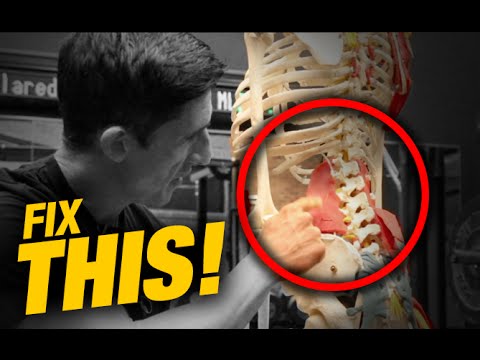
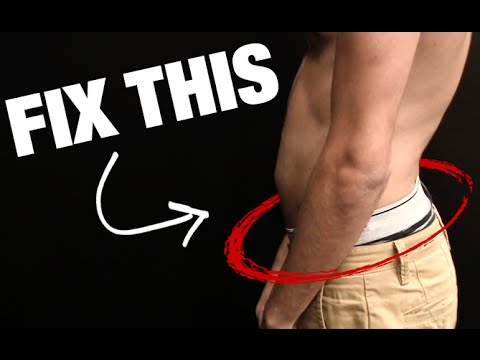
I don't think that your body can stretch beyond the various bone lengths, though certainly you can train your body to be efficient in a higher or lower position. There's a range of efficient positions, and you can ride comfortably within that range with only a little initial discomfort. That written, there's a high point for everyone, and beyond that, it can get uncomfortable--usually manifest by lower back issues. Problem is, lower back issues can be the result of any number of things.
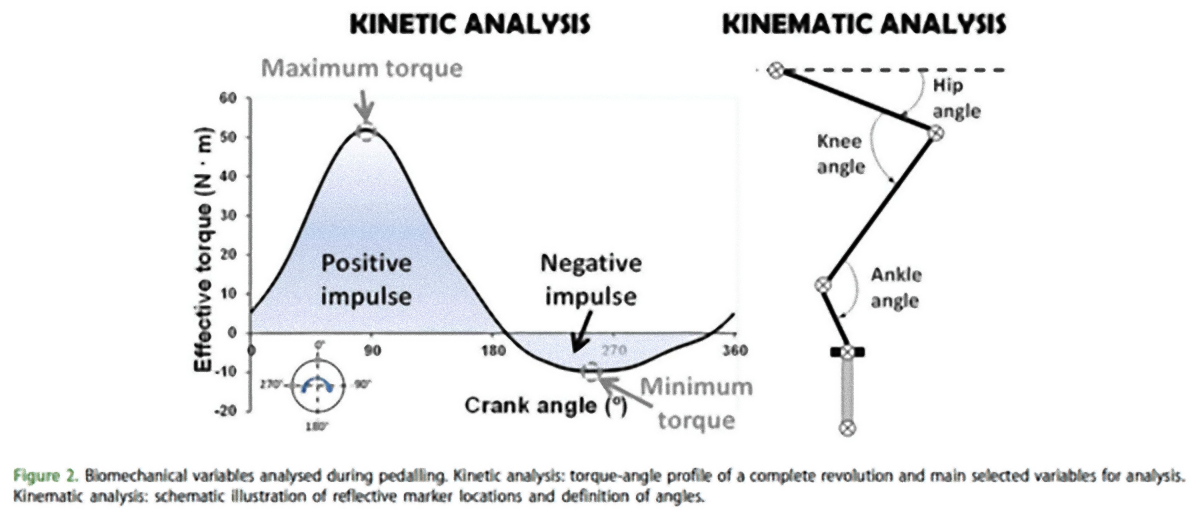
Yes, a lower saddle position means your body utilizes muscles a bit differently. I think of it with a motor metaphor--your muscles are firing differently, both in terms of timing and effort.
No I don't think it could be much, if any, of a training benefit, mostly because of the mental and physical change. I suppose it could help with "freshness" in the sense that new is interesting, but after that, I don't see how you'd benefit. For example, on the low position, your quad stops moving at one point, it will move past that in the high position.
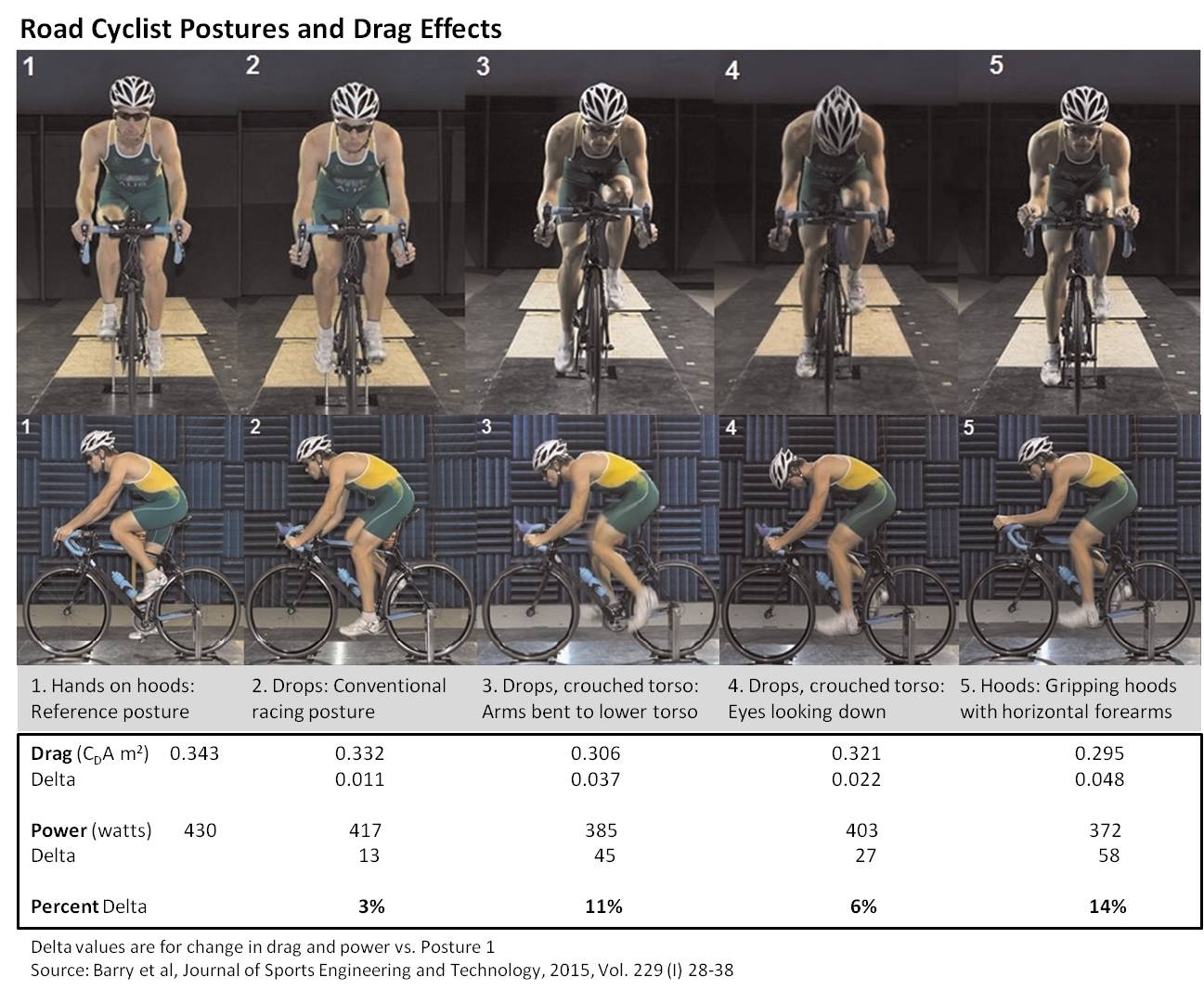
My own experience is that with less than ideal positions is that I can ride them for a long time. The problem is when trying to generate threshold or above-threshold power. With a too-low saddle position, I can ride easy all day, but feel blocked when going for high power. With a too-high saddle position, my back starts to hurt after a few hours even if I'm going easy, and I seem to lose power past about the five o'clock position on the downstroke.
I've done too-high saddle in races. When it's the track, it's not very apparent until the end of the session. When it's the road, the power is fine at the start, but I can tell that I'm not sustaining as time goes on, like after an hour. When it's CX, I can start fine, but the repeated spikes start to ebb pretty quickly, like after 10 or 15 minutes. I did a TT once on a too-high saddle. Oy, this was a bummer--I was testing out a Cervelo P bike with a Zipp disc. I was in trouble after five minutes. I blame it on me having trouble dialing in my position on the nose-less saddle.









 https://www.youtube.com/watch?v=KCvPQNLZMGs
 https://www.youtube.com/watch?v=TXh1oLXb6zk
 https://www.youtube.com/watch?v=zKjzQTZBHTY
 https://www.youtube.com/watch?v=aJ8T9Nr7h60
 https://www.youtube.com/watch?v=K-CrEi0ymMg