Kissena Forum Archive

Bicycle Tech/Gear Discussion Thread

8105 comments · 108281 views
I was topping off the sealant in my tires this morning. Anyone remember that rock at the bottom of that muddy patch at Whirlybird? Because my front wheel does lol. Thankfully these are just stock wheels and I’ve got an identical spare but jeez. 

Do we think these are toast? They’ve held air all this time and roll okay as far as I know. But I have grown accustomed my front teeth so… 
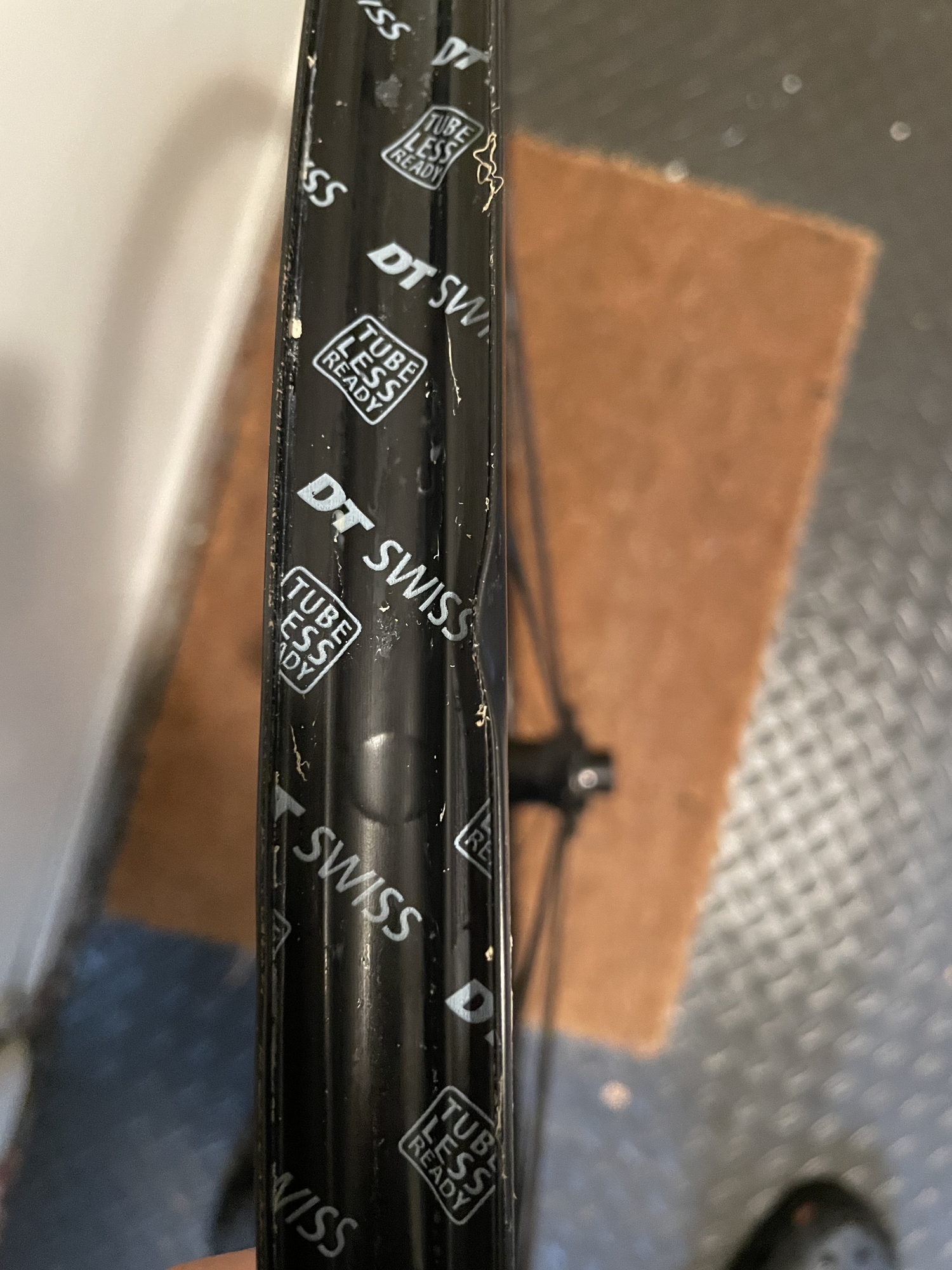
considering you're using rotor discs (I think) and I'm pretty sure that rim is aluminum, yes, you should be fine riding it.

If it was holding air then it should be fine unless it stops hold air when you remount the tire.

@eloy re: CX position, I feel like a CX position is very similar to a Tri position (saddle slammed forward). Which makes sense given the running involved in CX. I recall seeing something about how a forward slammed position is better for the legs when going from bike to run.
GregHoge said:

@eloy re: CX position, I feel like a CX position is very similar to a Tri position (saddle slammed forward). Which makes sense given the running involved in CX. I recall seeing something about how a forward slammed position is better for the legs when going from bike to run.
Perhaps, the transition to running was never really a consideration, but I'll take it.

I wrote a quick note about CX bike fit a few years ago:
https://forum-archive.kissenacycling.com/discussion/929-p2.html#Comment_70880
I was topping off the sealant in my tires this morning. Anyone remember that rock at the bottom of that muddy patch at Whirlybird? Because my front wheel does lol. Thankfully these are just stock wheels and I’ve got an identical spare but jeez. 

Do we think these are toast? They’ve held air all this time and roll okay as far as I know. But I have grown accustomed my front teeth so… 

I used pliers to straight a similar dink before with no issues
^ +1 for pliers or vice. It's alu-alloy so try limit to only one bend and also put some fabric over pliers so you don't create a bur/scratch.
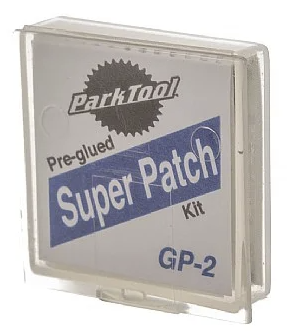
Anyone else finding these to be Super WTF?


I don't like landfilling tubes, so I repaired a batch of punctured tubes with these instead of chucking them. I sanded the tubes OCD style, tested them. Now one by one the patches are failing (punctures were all tiny). Maybe a bad batch of patches? Meh.
Anyone else finding these to be Super WTF?


I don't like landfilling tubes, so I repaired a batch of punctured tubes with these instead of chucking them. I sanded the tubes OCD style, tested them. Now one by one the patches are failing (punctures were all tiny). Maybe a bad batch of patches? Meh.
Those don't work well at all. The park tool VP-1 is where it's at, if you still patch tubes.
I have a few tubes patched with those that are holding up for the moment, but have had similar problems. Definitely don't like/trust them as much as traditional patches though
@JohnMalcolmson

I don't like landfilling tubes, either.

But the sticker patches are temporary solutions, so I only use them on the road (or track or trail).  I've found they might last a month or so inflated.  In terms of sitting in a bag and then being inflated, I've had an ok record, but I wouldn't want to go more than a month on it.

When I spoke to Park, they said the thing with these is not to inflate the tube until it's inside the tire.  Do not test the patch out before putting it in.  The rationale is that the tire helps hold the patch in place both with friction and limiting expansion.

Get the old style glue patches for permanent fixes.

In terms of what to do when they're done, use them as bungee cords (cut the valve off) or get them to a shop that recycles tubes.  Several seem to hold on to them until someone professing to be a recycler comes by.  In NYC, I believe there's a business that repurposes them in some fashion.

I've tried to figure out at what point it's best to buy a new tube.  My feeing is four patches is probably the cut-off point.  
What JP said, those are for on the road repair, you'll want the old school patches that come with glue for a long term repair.

Also, it is 2021, tubeless is real and easy. If you want, you can ditch tubes altogether forever.


Until you get a puncture that won't seal with sealant or a plug and need to put a tube in...  But I get your point.
Yup, I have a gross of those little patches and always keep a pack in my saddlebag/flat kit. I've had tubes that lasted forever with a patch on and some that deflated right away. Definitely handy if you puncture multiple times and you run out of spare tubes.
I’m seriously considering running tubeless on the road , cross , MTB and commuter are already set up this way , 
I don’t really know why I’m reluctant to convert the last bike 
GregHoge said:
Until you get a puncture that won't seal with sealant or a plug and need to put a tube in...  But I get your point.
You set up tubeless, this will likely reduce punctures significantly. You should still carry a tube in case you do get a puncture that needs it.
eloy said:
GregHoge said:
Until you get a puncture that won't seal with sealant or a plug and need to put a tube in...  But I get your point.
You set up tubeless, this will likely reduce punctures significantly. You should still carry a tube in case you do get a puncture that needs it.
I don't know.  I think I've gotten one flat on my everyday road tires in the past five months.  And these tires are a step below full-on race tires (Ritchey .  In that time, if I had tubeless, I'd have probably opened the tire at least once to check and possibly put in more sealant.  Last year, I rode a set of Conti' GP 4000 tires for six or seven months, down to the casing, and got only one flat.  At these numbers, tubes are much less of a hassle and possibly better on rolling resistance.  

Tubeless doesn't seem ideal for high-pressure, low-volume tires.  It also doesn't seem ideal for wheels that sit for a long, long time--something that is race-specific or only used occasionally are probably not good candidates.  

But I"ve had good luck with Tufo-casing tubulars over the years.  First, when they were Tufo, more recently when they were badged Clement, and I'm about to try the same thing with the Donnelly label on it.  They're not good for road racing, but for CX, I'm for it.  

And I should add that the industry has been talking about updating 700c the wheel standard for years, but they haven't come to an agreement, and the pandemic certainly put a stop to those discussions.
You are living in 2015.
eloy said:
You are living in 2015.
That must explain why Specialized has turned their back on road tubeless.

"Roval ditches tubeless with its new Rapide and Alpinist CLX wheels"

2020

https://cyclingtips.com/2020/06/roval-ditches-tubeless-with-its-new-rapide-and-alpinist-clx-wheels/

just sayin'
Ask Yves Lampaerts his opinion on that 
I'm curious as to which sealant brands work but don't pollute the environment. Some use walnut shells, others micro-plastics. Seems murky.  
Fair question... 

Is tubeless sealant bad for the environment? We asked 10 brands to find out

https://www.bikeradar.com/features/tubeless-sealant-environmental-impact/

TLDR: Halo makes a similar claim, saying that as “tubeless sealant replaces an inner tube” it is better for the environment because “fewer tubes in usage results in less butyl or natural rubber to be produced in, and transported from, the Far East”.

---

Orange Seal is possibly the leader in the sealant space today -- it is the brand I would recommend. They claim to be made with eco-friendly, biodegradable ingredients. 

Worth note, if you wanna run tubes, by all means, go ahead. I am simply proposing that in 2021, heading into 2022, tubeless tech is advanced enough that it is likely the better solution. 
^ Great article Eloy. Little science and a lot of self-reporting (and brand chest thumping), but insightful.

I like that Muc-off had an independent testing company verify their claim that they make your tires last longer => a net positive carbon footprint. This, plus the fact that you're removing a completely unsustainable inner tube from the equation, are compelling reasons to switch.

Challenge announces today:
https://www.challengetires.com/news/tubeless-ready-for-cyclocross-performance

Some of the road and gravel tire range were available in 2020.
I've been on a few rides recently where someone's saddle bag came loose.

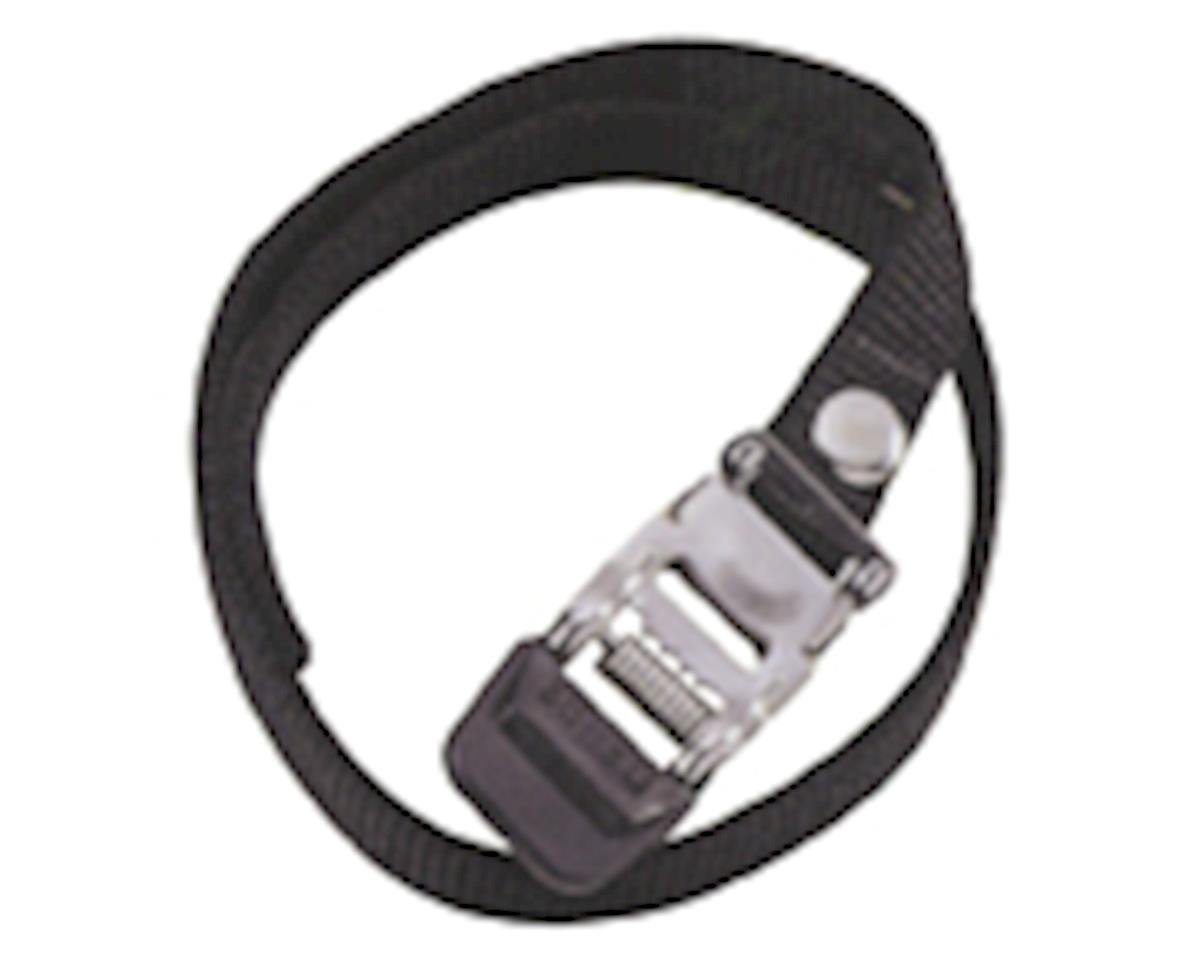
There's an old-school solution to this issue: toe straps. 
These used to be everywhere in the days before clipless pedals.  They'd often be repurposed to hold tubulars under a saddle.  Nowadays, they're excellent for securing things.

Just run the strap over your saddle rails, install saddle bag, then cinch the strap around the saddle bag.  The bag won't come loose again, and you'll have a means to secure some unexpected stuff in an emergency.


Velcro straps should help in similar fashion.
@JohnMalcolmson

I was just on the Squirt website.  They have a tire sealant and on that page, they have a link to a PDF with their hazardous materials statement

https://www.squirtcyclingproducts.com/wp-content/uploads/2020/02/Squirt-SEAL-TyreSealant-with-BB-SDS_Feb2020-RevE.pdf

The major ingredients they list are "propylene Glycol," "Rubber Latex," and "Water."
Since we've briefly discussed environmental issues of tubes and goo, here's something from Silca.  They boast they're PFAS-free in their chain lubes

As this is on their site, yes, it is self-serving.  Not sure about the claims in it.  Some of them read like PR nonsense.

https://silca.cc/blogs/silca/silca-commits-to-being-pfas-free
I'll take it!  I already use their Super Secret Chain Lube so this is a nice added bonus.
Dowsett going after the hour again. Breaks down his bike: https://www.youtube.com/watch?v=4u4lYHSmMQ0&t=2s
Anyone have any recommendations for commuting backpack?  I'm looking for something that can fit a 15" laptop, some clothes, and most importantly, is breathable to minimize back sweat.